











Articles, In the Press, Resources, Yoga Medicine® News
A Decolonization How-To: Yoga’s Revolutions Light the Way
By Firdose Moonda for Yoga Medicine.
In the last 40 years, the word “decolonize” has been used to describe a reclamation, not just of land, but of ideas and imagination. You can decolonize your book shelf or your play list by reading and listening to works outside of the commercial mainstream, and your wardrobe by buying clothing which is ethically and not mass-produced but what it does mean to decolonize your yoga?
It’s this question which marinated in me – a third-generation Indian living in South Africa and a yoga teacher and a scholar. I have spent my whole life navigating the space between my culture and my current reality and I continue to search for ways to showcase yoga as a relevant, living and evolving practice. The result is this: a 12-hour course on Yoga Medicine, which I believe is among the most innovative explorations of yoga today. The content is creative and critically engaged and I invite you to join me on a joyous journey through yoga, as you’ve probably never experienced it before.
We begin with a deep-dive into terminology and specifically of the word “decolonize,” by leaning on the one foremost thinkers on this subject, Kenyan scholar Ngugi wa Thiong’o. In 1986, Wa Thiong’o penned the seminal text Decolonising the Mind: The Politics of Language in African Literature which urged writers on the African continent to produce work in their own mother tongues, both to preserve and celebrate their culture. His work presented a practical way for African artists to shake off the shackles of an imperial source of power and create their own streams of knowledge. Can we apply the same methodology to yoga?
If we are going to try, we must first ask what we are trying to decolonize yoga from and why and then what we are trying to steer it to? This will occupy the early part of our interaction, with open-ended inquiry, no rights or wrongs and a framework for what a reimagined yoga practice could like for each of us. Along the way, I will introduce various different entry points to consider yoga from, all of which have been and are still in use in the practice’s origin geography in the Indian subcontinent. Almost none of these versions are asana-related, which opens up avenues of experiencing yoga that go far beyond the mat or a timed-class and which aim to demonstrate how yoga can be part of everyday life.
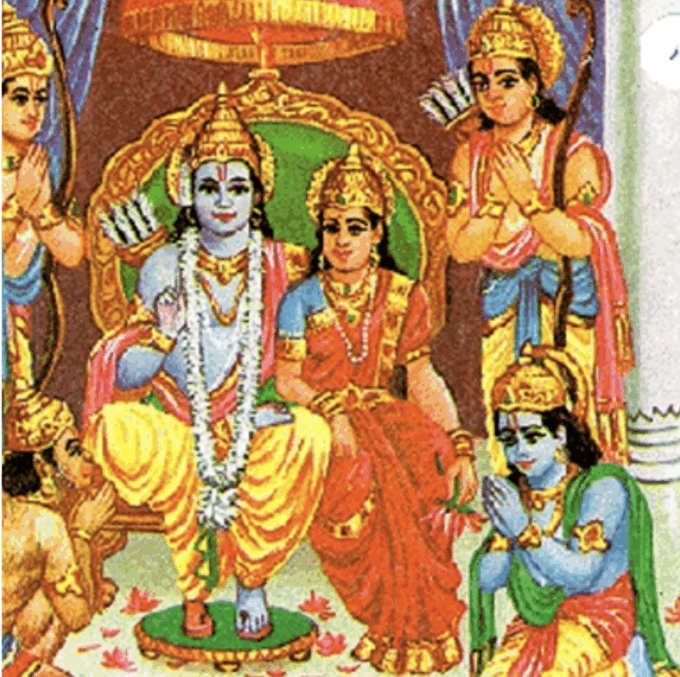
We will look at versions of yoga that existed in the mythologies and of the ancient Indian subcontinent, with a focus on some of the marginal characters. We will examine how yoga is expressed in sound, poetry, art and fashion and also study the creators of these works to understand their socio-cultural circumstances. We will consider what it meant to be a yogi, from the ancient times, through the medieval and colonial period and in the modern day and while doing all this, we will attempt to find refractions of ourselves.
Think of this course as a combination of a walk through some of the lesser-known history of yoga and an experiment into different ways of understanding yoga. Ultimately, the material to reveal new layers of awareness, challenge preconceived notion and liberate thought. It is probably best expressed in the words of Bob Marley, whose ideas of decolonization centered on Pan-Africanism and who sang these everlasting words: “Emancipate yourselves from mental slavery, none but ourselves can free our minds.”
Let’s attempt to set ourselves free, together.
***
JOIN US FOR THE ONLINE DECOLONIZING YOGA TRAINING!
Decolonizing Yoga: Tracing the History of the Practice Teacher Training | Online

 Login
Login