




Internal Medicine, Podcast, Rachel Land, Yoga Medicine® News
179 Motor Learning Science for Yoga: Expert Insights with Sava Papos MCEP, BSc(Ex&SportSc), BEc.
Whether the skills we aim to develop in yoga practice are physical or mental, yoga students and teachers can learn a lot from movement science. So in today’s episode we dive into neuroplasticity and key principles from movement science to explore how to learn new skills more effectively and efficiently.
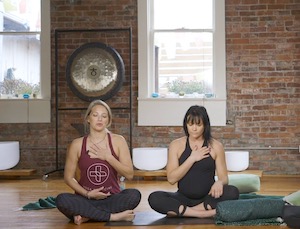
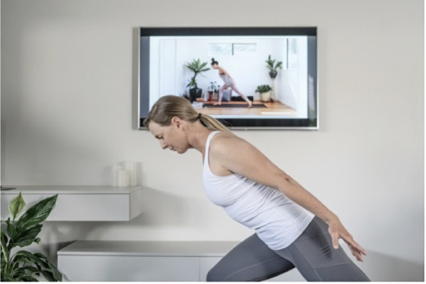
Host Rachel is joined by returning guest Sava Papos, a Yoga Medicine Therapeutic Specialist, exercise and sport scientist, and clinical exercise physiology master’s graduate. Sava shares practical ways to facilitate the learning process, including adapting feedback to a student’s stage of learning, balancing repetition with rest, changing the learning environment, dual-tasking, and offering externally focused cues.
“Neuroplasticity is about building pathways, about a strong structure to effective movement.” — Sava Papos
YOU CAN SUBSCRIBE AND LISTEN TO THE PODCAST ON APPLE PODCASTS. AND BE SURE TO LEAVE US A RATING AND REVIEW!

“The cognitive element in terms of dual-tasking can help us with the transferability of the skill, but the external focus of control can help us with the skill itself.” – Sava Papos
Show Notes:
- Neuroplasticity: how practice refines neural pathways [4:04]
- Repetition, challenge, and personal meaning support skill development [9:22]
- Cognitive, associative, and autonomous stages of motor learning [10:47]
- Massed versus distributed practice: why breaks can help learning [22:21]
- Environmental changes are critical in motor learning [26:54]
- Dual-tasking in autonomous stage boosts skill transferability [33:11]
- Why external focus cues support movement efficiency [40:01]
- Final takeaways [46:18]
Links Mentioned:
-
Connect with Sava Papas: Instagram
“The more variety we pepper in, the more food we are feeding the brain to chew on.” — Rachel Land






 Login